Woodhouse West Primary School

Curriculum Overview
Curriculum Intent
At Woodhouse West Primary School we endeavour to provide an engaging, thought-provoking and broad curriculum which develops the children's skills to overcome a variety of challenges. Our curriculum is built around objectives set out in the National Curriculum which covers the following subjects; English, Mathematics, Science, Computing, History, Geography, Art and Design, Design Technology, Music, Physical Education and Languages. Religious Education and Personal, Social, Health and Economic (PSHE) are also part of our curriculum.
The Department for Education guidance about the school curriculum can be found at https://www.gov.uk/national-curriculum
Our curriculum;
- is ambitious and designed to give all children the knowledge and skills they need to succeed in life
- has high expectations for all children, including those with special needs and disabilities
- ensures that children study a broad and balanced curriculum by teaching a range of subjects
- is coherently planned and sequenced so children can embed and use their knowledge and skills fluency
- extends beyond academic to provide opportunities for every child to develop and discover their character, interests and talents
- is closely linked to the school's core values
- encourages children to value the Woodhouse community
- prepares children for life in modern Britain, developing their understanding of fundamental British values and equipping them to be responsible, respectful citizens
Our curriculum documents (found in the subject's individual page) outline the topics undertaken by different year groups during different times of the academic year.
Curriculum Implementation
Through high quality teaching and learning experiences, we to provide every child with the key skills they require to achieve in all subjects and develop a love of learning which will be with them for their whole life.
We have structured our curriculum so that our children will know, understand and remember more. The curriculum is built in a way that will make sure that each child develops knowledge that is underpinned with a variety of core skills and key concepts, and builds on prior learning. The approach means that children are better able to remember, apply and deepen their understanding of their learning. Children experience a wide range of subjects and activities that allow them to explore different units of work and learning styles in detail.
Our Curriculum covers the National Curriculum objectives and builds on knowledge taught at previous stages.
--------------------------
Knowledge Organisers
We deliver a coherently planned curriculum with a progressive development and understanding of key knowledge, skills and concepts, which will be re-visited regularly. Some of our content is subject specific whilst other content is combined in a cross-curricular approach enabling us to put knowledge into context. The use of Knowledge Organisers provide transparency within the curriculum - it is an overview of content and also a means of tracking knowledge, skills and understanding of concepts which are regularly re-visited. This regular revisiting enables knowledge to be committed to long-term memory.
What is a ‘Knowledge Organiser’?
A Knowledge Organiser is a go-to document for a unit of work: each one identifies the key information that children will have learnt about by the end of a topic. It also acts as a tool to support children in retaining and retrieving knowledge for life-long learning.
How do they help teachers?
They are used as a planning tool - to plan the essential knowledge that children need to cover in the Unit
• Key dates
• Key people
• Key events
• Key vocabulary and definitions, and key concepts - in ‘child-friendly’ language
How do they help children?
They provide the essential knowledge that children need to cover in the unit shared at the beginning so children know what they are going to be learning. Knowledge organisers help them to remember key dates, key people, key events, vocabulary and definitions and key concepts.
They can be used as a fun assessment tool to help remember the units.
They improve their ability to remember.
Knowledge organisers help them to develop other skills - e.g. when writing a nonfiction report, if they already have the knowledge they can focus on the writing skills.
How do they help parents?
Parents will have a better understanding of what the children need to know. They will allow parents to build on their knowledge at home and provide an easy tool for parents to quiz children at home (and children to quiz parents!)
--------------------------
Subject progression documents
At Woodhouse West we value our board and balanced curriculum that provides our children with a wealth of knowledge and experiences. As a school, we have ensured all subject areas provide a clear sequence to learning that embeds knowledge and understanding, ensuring key knowledge sticks and can be transferred to other learning.
Progression documents show the knowledge and skills that we expect children to know and to able to use during their journey and at the next stage of their learning. The teachers use interesting and relevant themes combined with a wide range of reading materials to engage children and maximise learning for all. This well-planned curriculum is complimented by an exciting variety of visitors and trips, including residential visits for years 2, 4 and 6.
Through our commitment to strive for the very best for our children, we are continuously reviewing our curriculum, working with staff, governors, children and parents to create a curriculum that matches our ambitions for every child whilst complimenting the vision and aims of our community.
Please follow the link here to be taken to our subject pages where you can access the progression documents for each foundation subject.
--------------------------
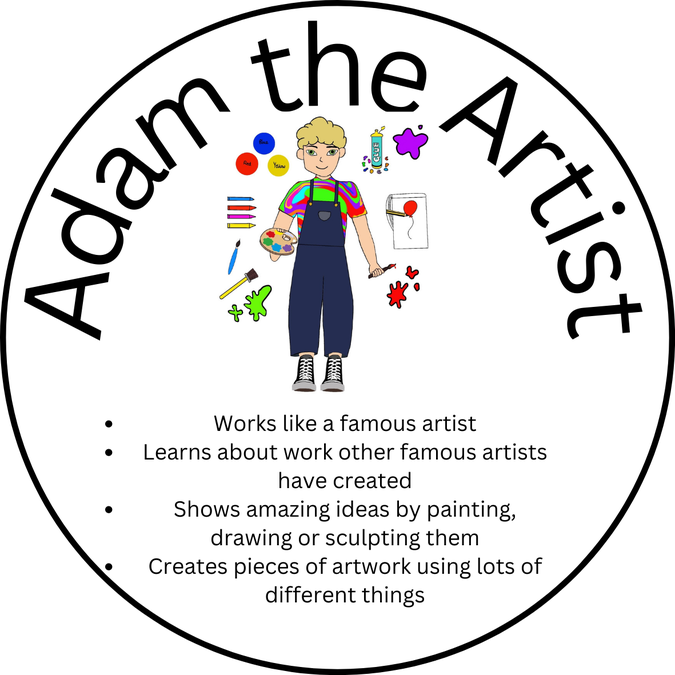
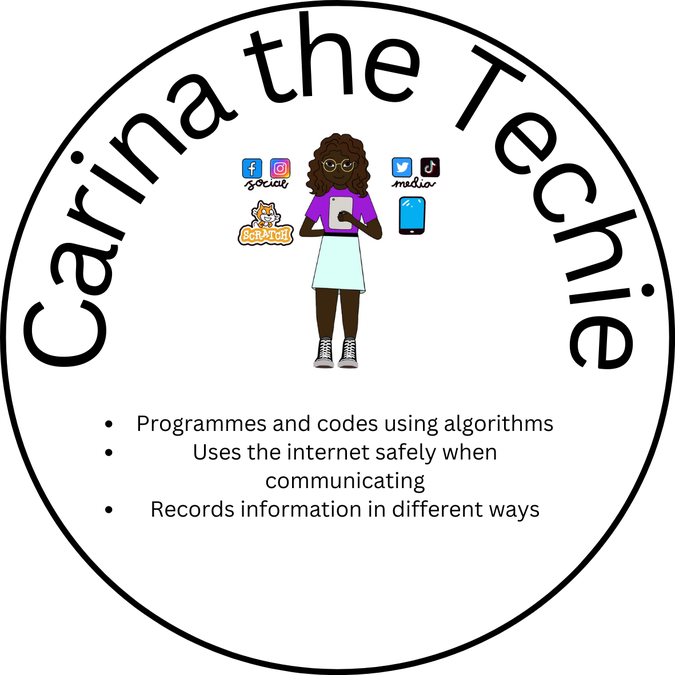
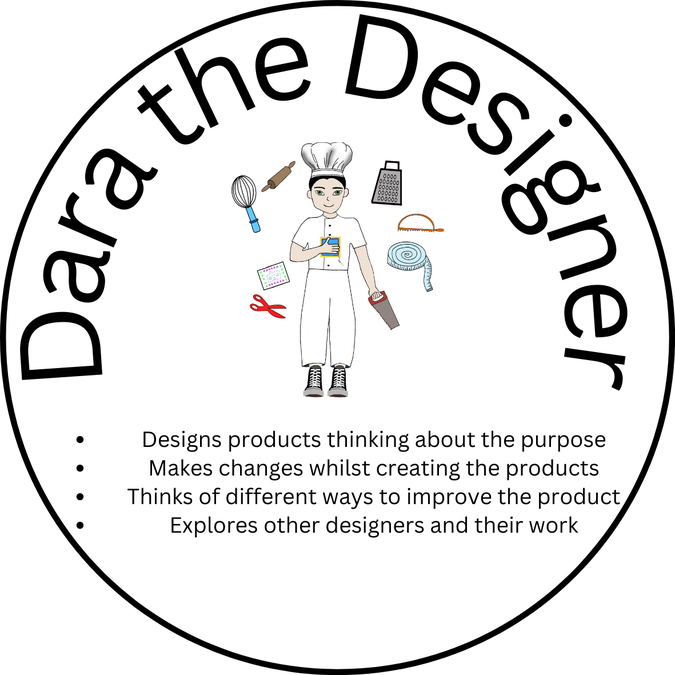
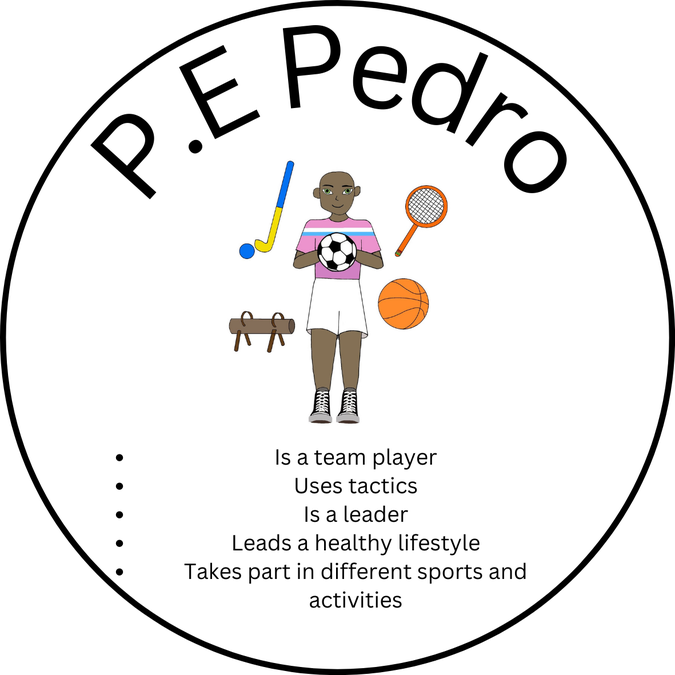
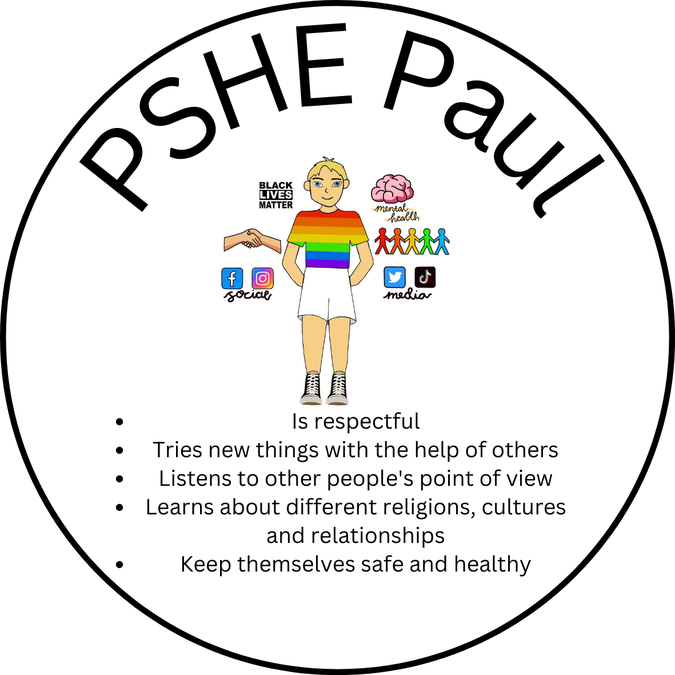
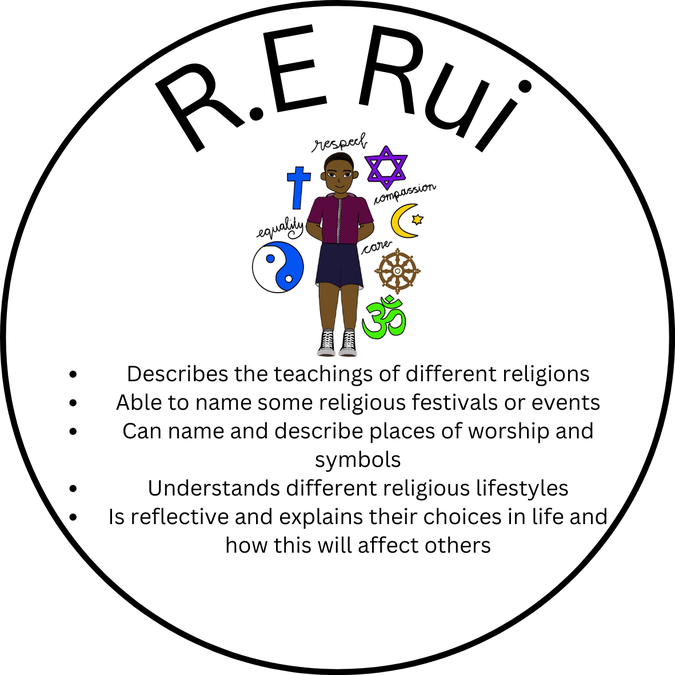
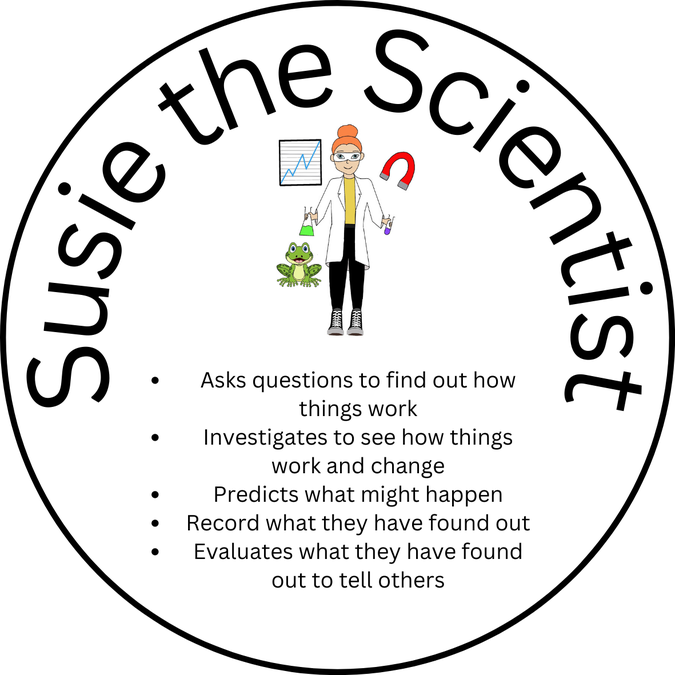
Curriculum Characters
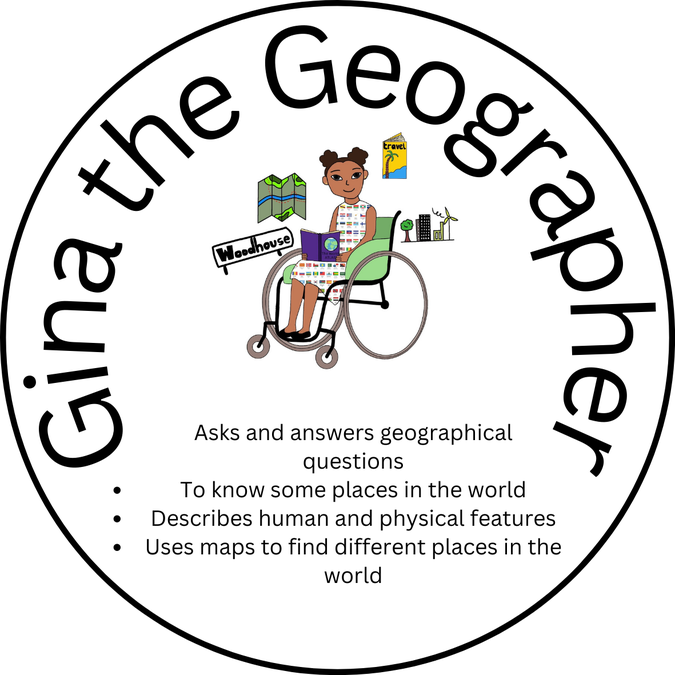
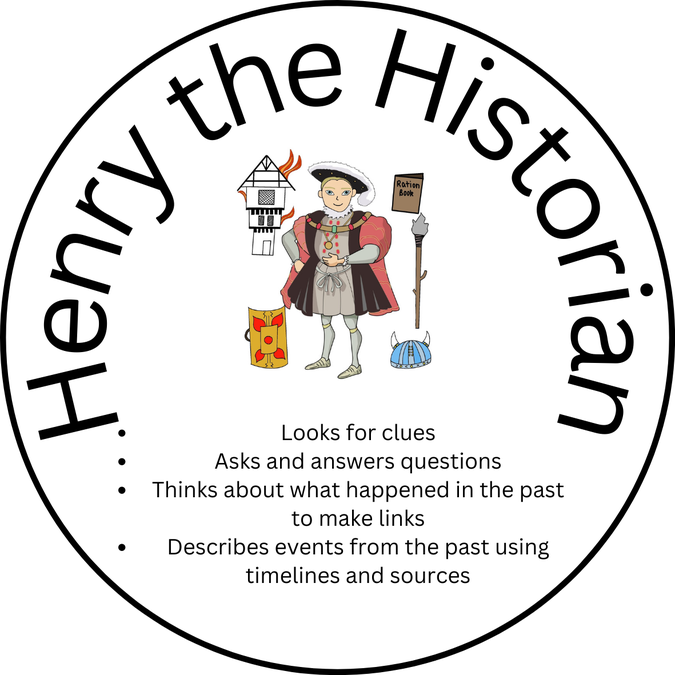
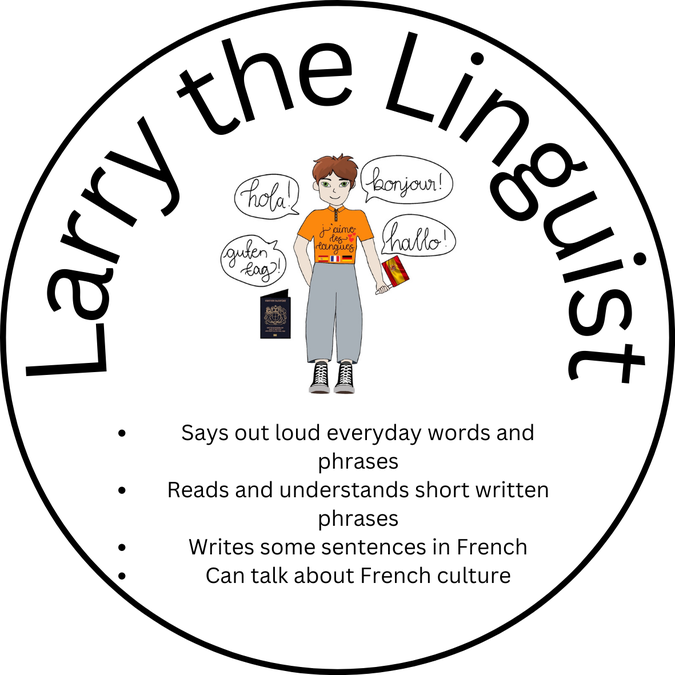
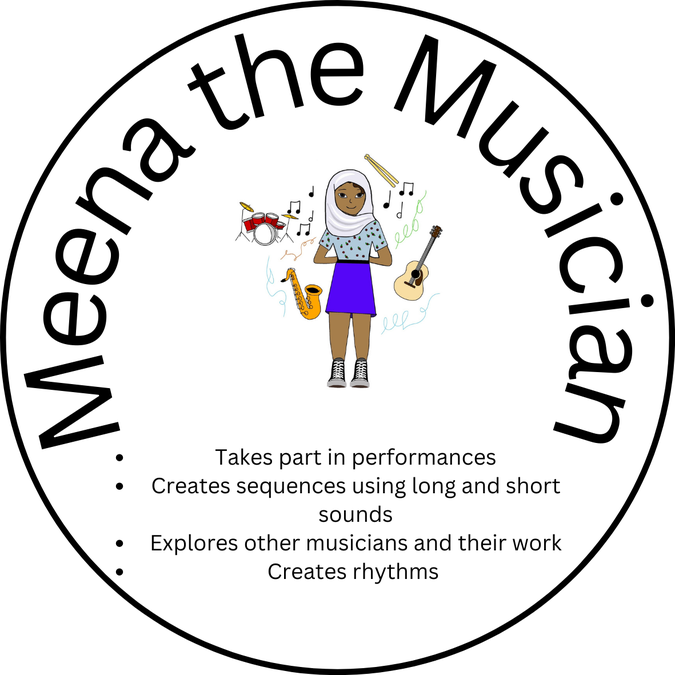
Our curriculum characters help pupils to identify the subject and skills that they are learning in order to develop their understanding of the world around them.
Curriculum Impact
The impact of our curriculum is measured in terms of the extent to which pupils have developed new knowledge, understanding and skills and that they can use and recall this with fluency.
This will be measured by:
- Lesson observations and work scrutiny
- Termly testing and teacher assessments, pupil progress meetings, reporting to governors etc.
- Internal and external moderation
- Subject review, feedback and action plans
- Reporting to parents
- Pupil voice – questionnaires, pupil book reviews
- Subject Leader monitoring – Lesson visits, scrutiny of books, assessment, pupil interviews and questionnaires
- Outcomes at the end of EYFS, KS1 and KS2
- ASPIRE Awards
- Governor monitoring
If you would like to obtain any further information about the curriculum we are following, please contact the school office to arrange a meeting with our headteacher Mrs Bailey.